

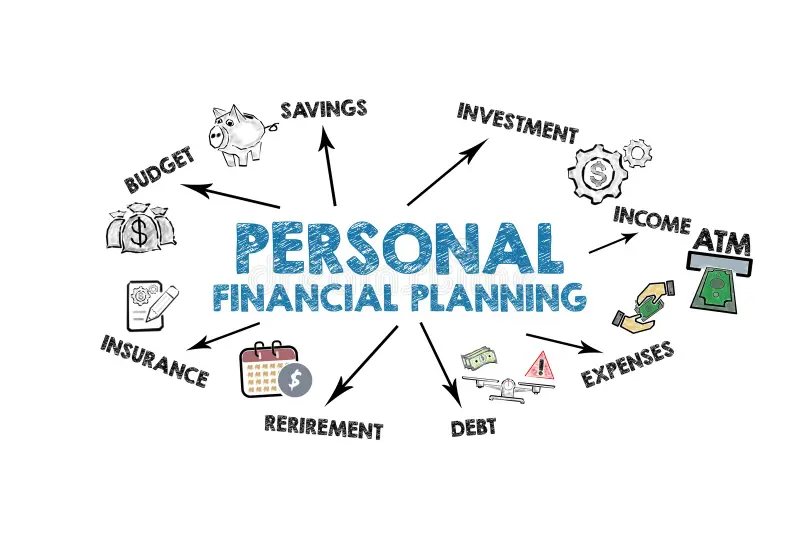
Managing personal finances has become more important than ever as families navigate changing economic conditions and rising living costs. Financial experts agree that creating a clear financial plan is one of the most effective ways to achieve long-term stability. Whether saving for a home, education, retirement, or emergency expenses, disciplined financial planning allows individuals to prepare for both expected and unexpected challenges.
Creating a Realistic Budget
A well-structured budget forms the foundation of every successful financial plan. By tracking income and expenses, families gain a better understanding of where their money is being spent. This helps identify unnecessary expenses while allowing more funds to be directed toward savings and investments.
Budgeting also encourages responsible spending habits. Financial advisors recommend reviewing monthly expenses regularly to ensure spending aligns with long-term financial goals.
The Importance of Emergency Savings
Unexpected situations such as medical emergencies, job loss, or major home repairs can place significant financial pressure on households. Building an emergency savings fund provides financial security during these difficult periods.
Many financial professionals recommend saving enough money to cover at least three to six months of essential living expenses. Even small, consistent contributions can gradually build a reliable financial safety net.
Investing for Future Growth
Saving money is important, but investing can help wealth grow over time. Many investors choose diversified portfolios that include stocks, bonds, mutual funds, and exchange-traded funds to balance potential returns with manageable risk.
Long-term investing allows individuals to benefit from market growth while reducing the impact of short-term market fluctuations. Financial experts encourage investors to review their portfolios regularly and adjust investments according to changing financial objectives.
Managing Debt Responsibly
Responsible debt management plays an essential role in maintaining financial health. Paying bills on time, reducing high-interest debt, and avoiding unnecessary borrowing can improve overall financial stability.
Many households prioritize paying off credit card balances before taking on additional financial obligations. Maintaining a good credit history also improves access to future loans under more favorable terms.
Retirement Planning Starts Early
Retirement planning is becoming an increasingly important financial priority. Starting early provides more time for investments to grow through compound returns. Regular contributions to retirement savings accounts help individuals prepare for financial independence later in life.
Financial advisors recommend reviewing retirement goals periodically and increasing savings whenever income grows.
Technology Simplifies Personal Finance
Modern financial technology has made managing money easier than ever. Mobile banking applications, budgeting tools, digital payment systems, and investment platforms allow users to monitor their finances from almost anywhere.
Many applications provide automatic expense tracking, spending analysis, and financial reminders that help users maintain healthy financial habits.
Financial Education Improves Decision Making
Understanding basic financial concepts helps individuals make more informed decisions. Topics such as budgeting, investing, taxes, insurance, and retirement planning are becoming increasingly valuable as financial products continue to evolve.
Many organizations now provide free educational resources that help people improve financial literacy and build greater confidence in managing their personal finances.
Looking Ahead
Financial experts believe that successful financial planning requires patience, consistency, and realistic goal setting. Economic conditions may change over time, but individuals who maintain disciplined saving habits, manage debt responsibly, and invest wisely are generally better prepared for future financial challenges.
As financial technology continues to advance and investment opportunities expand, maintaining a long-term perspective remains one of the most effective strategies for building financial security and achieving lasting financial success.